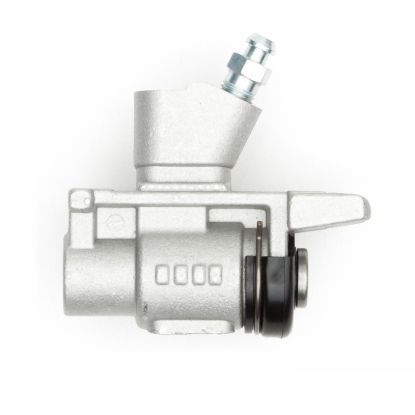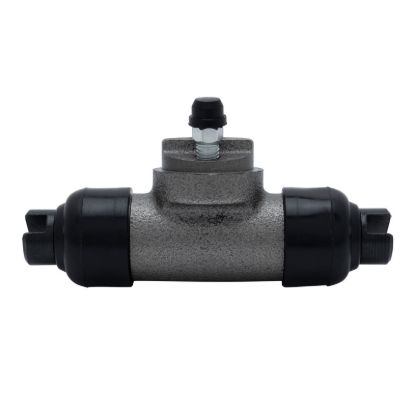
DFC 65-79 Volkswagen Type 1 Karmann Ghia Rear Brake Wheel Cylinder
dfc375-74001
DFC 65-79 Volkswagen Type 1 Karmann Ghia Rear Brake Wheel Cylinder
20,10 € excl. VAT
Is brake fluid dripping onto the inside of the wheel rim, or does the car pull to one side when braking? The wheel cylinder converts hydraulic pressure into movement that pushes the brake shoes against the drum. We have parts for you if you want to maintain or rebuild drum brakes on an everyday car, pickup or classic.
In a drum brake, the wheel cylinder is typically located between the two brake shoes. When you press the pedal, the brake fluid pushes the pistons outwards so the lining is pressed against the brake drum. Over time, the rubber cups can harden, and moisture in the brake fluid can cause corrosion in the bore. This can lead to leaks, uneven braking or a sticking piston. If brake fluid has leaked onto the lining, the brake shoes should typically be replaced at the same time, as contaminated lining can reduce braking performance.
The wheel cylinders from DFC are listed by car model, year and position, e.g. Chevrolet Metro 97-01 rear right or Chevrolet Fleetline 36-48 front left. In particular, check:
It is typically recommended to replace both wheel cylinders on the same axle so the braking effect is equal on both sides. After installation, the brake system must be bled, as air in the lines can cause a soft pedal. Also check the springs and adjuster mechanism, as drum brake hardware is often worn to the same degree as the cylinder.
Typical signs are moisture or brake fluid on the inside of the drum, the rim or the brake shoes, a dropping level in the brake fluid reservoir and uneven braking. Remove the drum and carefully lift the dust boot to check whether there is fluid behind it.
It is not always necessary, but it is typically recommended if the cylinders are the same age. This gives you more even braking on both sides and reduces the risk of the other side starting to leak soon.
On some cars, the cylinders are designed differently on each side, e.g. with the bleed nipple and connection positioned as mirror images. That is why the products are listed by position. On other cars, the same cylinder is used on both sides, which is also stated in the product name.