
.6 Lft BH Kit Stl Rtnrs 03-08 5.7L HEMI
cca26918CA-KIT
COMP Cams 03-08 Dodge 5.7L Hemi 0.600in Lift Beehive Spring Kit w/ Steel Retainers
624,58 € excl. VAT
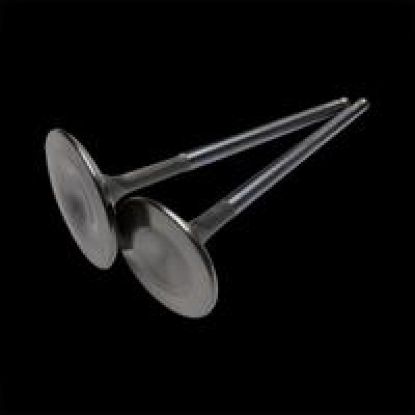
Are your valves starting to float at high revs, or does your engine need a new camshaft with more lift? This category brings together the parts of the valvetrain: camshafts, valves, springs, retainers, valve locks, rocker arms, lifters, pushrods and timing components. It is for you if you are rebuilding a cylinder head or building a project for higher revs.
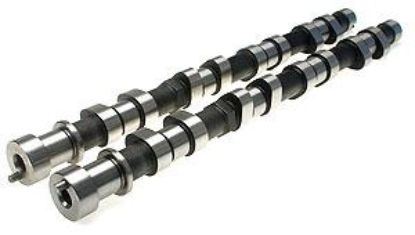
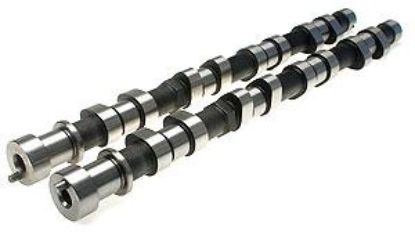
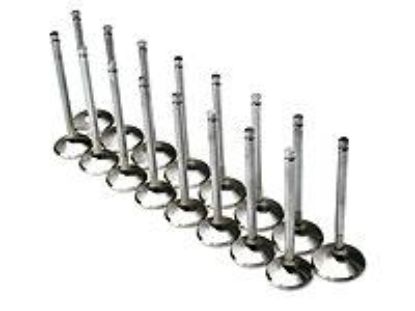
The camshaft controls when and how far the valves open, and therefore how the engine draws in air and pushes out exhaust gas. Depending on the engine design, the motion is transferred via lifters, cam followers, rocker arms or pushrods, while the valve springs close the valve again. Retainers and valve locks hold the spring in place on the valve stem. Valve guides and valve stem seals ensure that the valve moves precisely and does not draw oil down into the combustion chamber.
A camshaft with more lift and longer duration can move power higher up the rev range. However, the result depends on the engine's other specifications, such as compression, cylinder head, intake and whether the engine runs boost. When lift is increased, the valve springs typically need to be matched. Too little spring pressure can cause valve float, while too much can increase wear on the cam and lifters. Also check that the spring does not coil bind at full lift and that there is clearance between valve and piston.
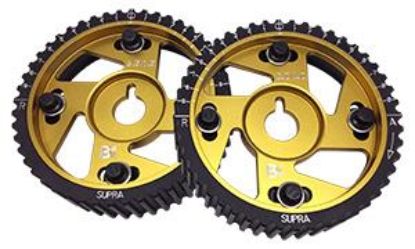
Springs, retainers and seats can be bought individually or as kits where the parts are matched to each other. In this category you will find, for example, kits with dual springs, retainers and spring seats from Brian Crower and beehive spring kits with steel retainers from COMP Cams. Other brands in the category include Ferrea, Supertech and GSC Power Division. Adjustable cam gears among the timing components make it possible to fine-tune the camshaft's timing relative to the crankshaft. This typically requires careful degreeing and may require adjustments to the engine management.
Working on the valvetrain requires precise tools and the manufacturer's specifications. Valve clearance must be checked and adjusted after installation. On some engines this is done with valve caps or shims. New camshafts and lifters often require a break-in procedure and the right lubrication, so follow the instructions for the specific product. If your project also includes pistons or other parts, you will find them under engines and components.
Often yes, especially if lift or revs are increased. The springs must suit the cam's lift and profile so the valve closes correctly without the spring coil binding. Check the manufacturer's recommendation for the specific camshaft.
Titanium retainers typically weigh less, which can reduce the moving mass in the valvetrain. The choice depends on revs, spring pressure and the manufacturer's recommendation for your particular engine.
Too little clearance can prevent the valve from closing fully, while too much can cause noise and extra wear. After replacing the camshaft, valves or lifters, the clearance should therefore be measured and adjusted to specification.
The parts sit inside the engine, but a changed cam profile and timing can affect emissions and noise. Whether the car can be approved depends on the product and the car, so check the requirements for the specific part number before modifying the engine.