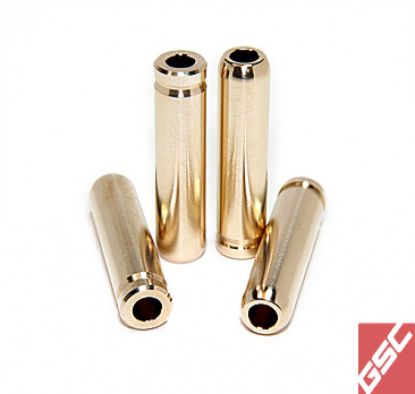
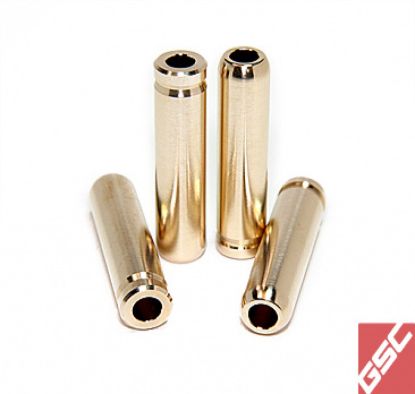
GSC P-D 2008+ Dodge Viper Manganese Bronze Exhaust Valve Guide +.003in Oversize OD - Single
gsc3069.003-1
GSC P-D 2008+ Dodge Viper Manganese Bronze Exhaust Valve Guide +.003in Oversize OD - Single
20,55 € excl. VAT
Is oil getting past the valves, or does the cylinder head need to be prepared for higher revs? Valve guides guide the valve stem precisely and transfer heat from the valve to the cylinder head. We have guides for the intake and exhaust side for you who are rebuilding or tuning your engine.
The valve guide is pressed into the cylinder head and keeps the valve centred so it can seal tightly against the valve seat. At the same time, the guide dissipates some of the heat from the valve stem, which typically matters most on the exhaust side. If the guides are worn, the valve can develop play, seat unevenly and wear the seat and seals. This can lead to increased oil consumption and poorer compression. That is why guides are often replaced together with valve stem seals and possibly new valves.
The guide must match both the engine and the valve. Pay particular attention to:
Installation typically requires pressing out the old guides, pressing in the new ones and then reaming them to the correct clearance – depending on the product. The work is therefore often carried out by an engine machine shop, which can also inspect the valve seats and valve springs. In addition to Brian Crower and Ferrea, the category also includes GSC Power Division, Supertech and S&S Cycle.
Typical signs can be blue smoke at start-up or under engine braking, increased oil consumption and measurable play between the valve stem and guide. The most reliable method is to measure the guides and stems with the cylinder head removed.
Not always, but the guide and valve work as a pair. If you switch to valves with a different stem diameter, the guides must match. With worn guides, it is often sensible to also replace the valve stem seals and inspect the seats.
It typically requires tools to press the guides out and in, plus machining to the correct clearance, and some cylinder heads also need to be heated. Without that equipment, an engine machine shop is often the safest choice.