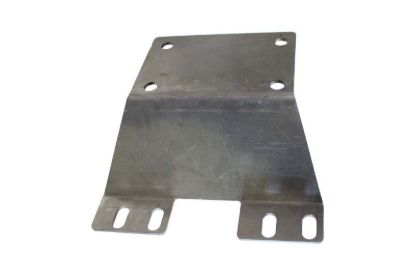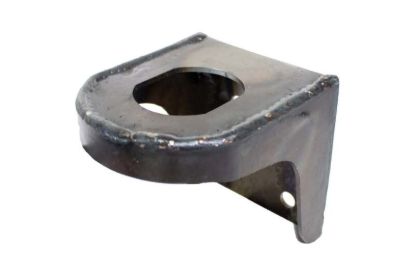

Rust Buster 73-91 Chevy K5 Blazer/GMC K5 Jimmy Fuel Tank Crossmember
rbrRB7442
Rust Buster 73-91 Chevy K5 Blazer/GMC K5 Jimmy Fuel Tank Crossmember
342,95 € excl. VAT
Does the body twist noticeably in hard corners, or is the frame corroded after many years of use? In this category we bring together parts that stiffen, reinforce or repair your car's chassis – from strut braces and reinforcement plates to subframes and repair parts. For you with a project for track or road, or a tired frame.
A chassis that flexes under load can cause imprecise steering and suspension that doesn't work as set up. Chassis braces such as strut braces and pillar braces connect points in the body so it typically moves less. Subframe braces and connectors between the front and rear frame do the same further down, while reinforcement plates strengthen exposed brackets and weld seams. If the frame is rusty or damaged, you'll find chassis frame repair parts.
How much stiffening makes sense depends on how the car is used, its tyres and suspension – a very stiff chassis on soft suspension doesn't necessarily give better handling. Look especially at:
In this category you'll find, for example, Cusco, BMR Suspension, UMI Performance, Artec Industries and RustBuster. Examples include strut braces and bolt-on subframe connectors from BMR Suspension as well as Power Brace and pillar braces from Cusco.
If a subframe is replaced or reinforced, it's a good idea to look at bushings and mounts at the same time – worn bushings and mounts can otherwise eat up part of the gain. After work on the subframe or suspension, the wheel alignment should be checked. Welding in load-bearing parts and modifications to the frame can affect roadworthiness inspection, and whether a part is permitted depends on the product and the car – check this for the specific part number. Re-torque bolts after the first few drives, and keep an eye on rust at new welds and brackets.
A strut brace connects two points, typically the strut towers, so they move less relative to each other. A reinforcement plate strengthens a specific spot, e.g. a bracket or a weld seam that can crack under load.
It depends on the part. Some braces and connectors bolt on, while reinforcement plates and repair parts are typically welded. Welding in load-bearing parts should be done by a professional, and rust protection afterwards is important.
It depends on the product, the car and how the part is fitted. Welding and modifications to load-bearing parts in particular can matter at inspection. Check the requirements and any documentation for the specific part number before installation.