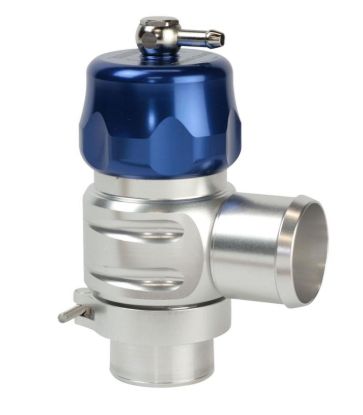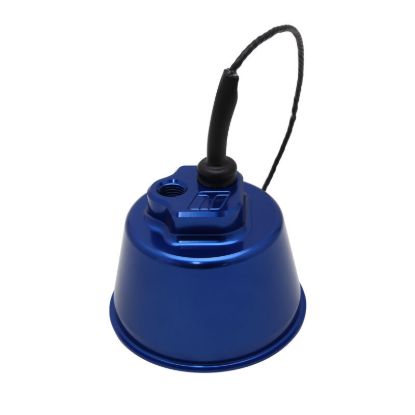

Blow Off Valve - TS-0203-1008
turTS-0505-3025
Turbosmart BOV RacePort & IWG Locking Collar - Gold
58,01 € excl. VAT
Where does the pressure in the intake go when you lift off the throttle on a turbo engine? A blow-off valve opens and releases the air, so the compressor can be protected and boost typically builds up faster again. This category contains valves, adapters and spare parts for your project.
When the throttle closes, the pressure between the turbo and the throttle body has nowhere to go. The valve opens on vacuum from the intake and releases the air, which can reduce compressor surge and the load on the turbo. A plumb back valve routes the air back before the turbo, while a vent-to-atmosphere valve blows it out into the open. On engines with a mass airflow sensor, venting to atmosphere can cause an unstable idle or a rich mixture because metered air is lost – it depends on the engine management.
Look at several factors at the same time:
From Turbosmart you will find, for example, solenoids, diaphragm kits and block-off caps for existing valves. Other brands in the category are TiALSport, Go Fast Bits and HKS. The valve works together with wastegates and other turbo parts, so check hoses and clamps for leaks during installation. Whether the valve is permitted at vehicle inspection depends on the product and the car, so check this for the specific part number.
Plumb back returns the air to the intake before the turbo and is typically quieter. Venting to atmosphere gives the well-known sound but can affect idle and mixture on engines with a mass airflow sensor.
That depends on the car and the valve. The category contains adapters that make it possible to fit, for example, HKS, Greddy or Tial valves instead of the original. Check that the adapter fits your specific engine.
Typical causes are a worn diaphragm, a spring that is too soft for the boost pressure, or leaking hoses. A new diaphragm kit or a different spring can solve the problem, depending on the model.